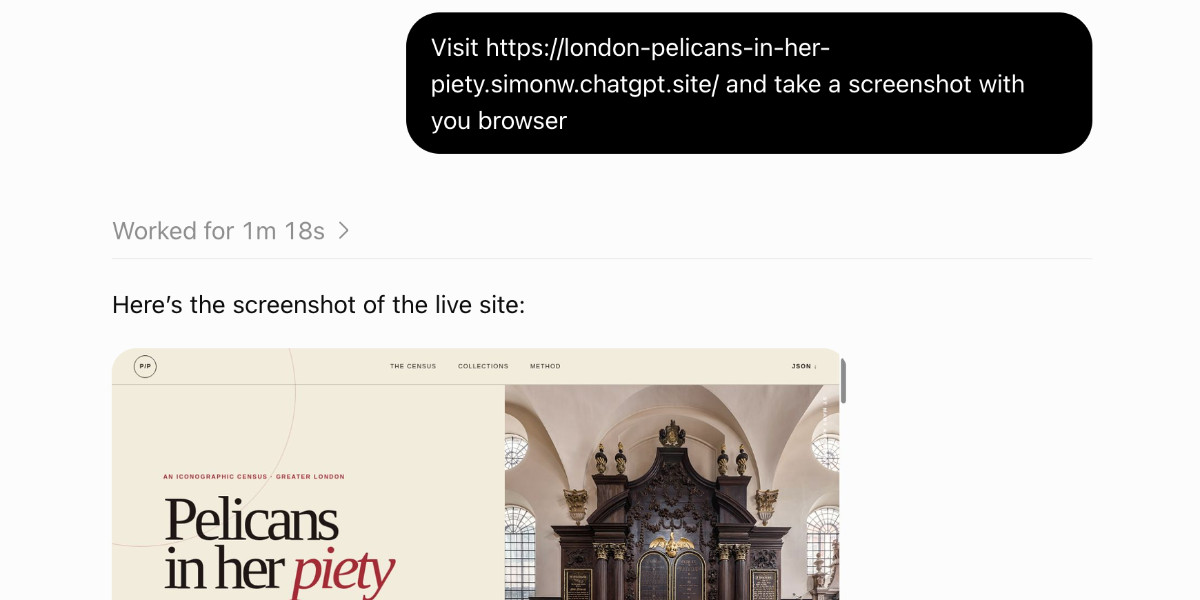
OpenAI's ChatGPT Work, launched in July 2026, is a paid-tier product ($20/month+) that splits into two variants: Work Cloud (web/mobile) and Work Local (desktop). Work Cloud distinguishes itself from regular Chat through several exclusive capabilities: code execution with unrestricted internet access, a headless Chrome browser for web automation, persistent cross-session filesystems, ChatGPT Sites deployment via Cloudflare Workers, sub-agent orchestration, and scheduled prompt automations. Model selection differs too—Work offers Sol, Luna, and Terra at various reasoning levels, while Chat uses different naming conventions. The code execution environment is particularly powerful, allowing repository cloning, dependency installation, and API interactions that Chat blocks. Work also enables browser automation including form-filling, screenshot capture, and JavaScript execution against page DOMs. However, the feature set remains poorly documented by OpenAI, and the combination of private data access, untrusted content exposure, and agent communication capabilities raises security questions around prompt injection attacks. Understanding these distinctions matters for power users deciding between Chat and Work for complex, multi-step tasks.
OpenAI's ChatGPT Work, launched in July 2026, is a paid-tier product ($20/month+) that splits into two variants: Work Cloud (web/mobile) and Work Local (desktop). Work Cloud distinguishes itself from regular Chat through several exclusive capabilities: code execution with unrestricted internet access, a headless Chrome browser for web automation, persistent cross-session filesystems, ChatGPT Sites deployment via Cloudflare Workers, sub-agent orchestration, and scheduled prompt automations. Model selection differs too—Work offers Sol, Luna, and Terra at various reasoning levels, while Chat uses different naming conventions. The code execution environment is particularly powerful, allowing repository cloning, dependency installation, and API interactions that Chat blocks. Work also enables browser automation including form-filling, screenshot capture, and JavaScript execution against page DOMs. However, the feature set remains poorly documented by OpenAI, and the combination of private data access, untrusted content exposure, and agent communication capabilities raises security questions around prompt injection attacks. Understanding these distinctions matters for power users deciding between Chat and Work for complex, multi-step tasks.